HVAC Google Ads examples are most useful when they show a real headline solving a real objection, not just another version of "fast and friendly service." Every HVAC company in a given city tends to advertise reliability, fair pricing, and 24/7 availability, so when every ad says the same thing, none of them say anything. The sharpest examples below come from a different source entirely: the one to three star reviews competitors already have sitting on Google, the complaints that describe, in a customer's own words, exactly why they walked away. In addition, each example is checked against your own reviews first, because a claim your own customers would dispute is worse than no ad at all.
Quick answer: The strongest HVAC Google Ads examples target a specific, verifiable competitor weakness — a surprise charge, a missed arrival window, a callback that never came — and pair it with a counter-claim your own reviews actually support. Generic ads about speed and quality blend in because every HVAC company between 4.8 and 5.0 stars already claims those same things.
What Are HVAC Google Ads Examples?
HVAC Google Ads examples are sample headlines, descriptions, and sitelinks that illustrate how a heating and cooling company can structure search ad copy inside Google's character limits. However, a sample is only useful if the claim behind it holds up. Specifically, the examples that convert best tend to answer an objection the searcher already has in mind, such as "will they actually show up when they say they will," rather than restating a feature every competitor also lists.
HVAC, short for heating, ventilation, and air conditioning, is a crowded local category in most mid-size and large metro areas. Because nearly every serious competitor sits between 4.8 and 5.0 stars on Google, star rating alone rarely helps a homeowner choose. That gap is exactly where sharper ad copy, built from the small print inside those ratings, earns its advantage.
Why Most HVAC PPC Ads Sound Identical
Most HVAC PPC ads sound identical because they are written from the same short list of selling points: licensed, insured, 24/7, family-owned. As a result, a homeowner scanning four ads above the fold sees the same four promises repeated with different logos. Consequently, the decision often collapses into whichever ad shows the lowest price or the most aggressive discount, which is an expensive way to compete.
In contrast, a competitor's own customers have already done the research for you. Thirty to fifty unhappy reviewers inside a typical 1,500-review profile have written down, in detail, the exact moment service fell apart. Therefore, instead of guessing what might matter to a homeowner, an advertiser can simply read what already mattered enough for someone to type it into a public review.
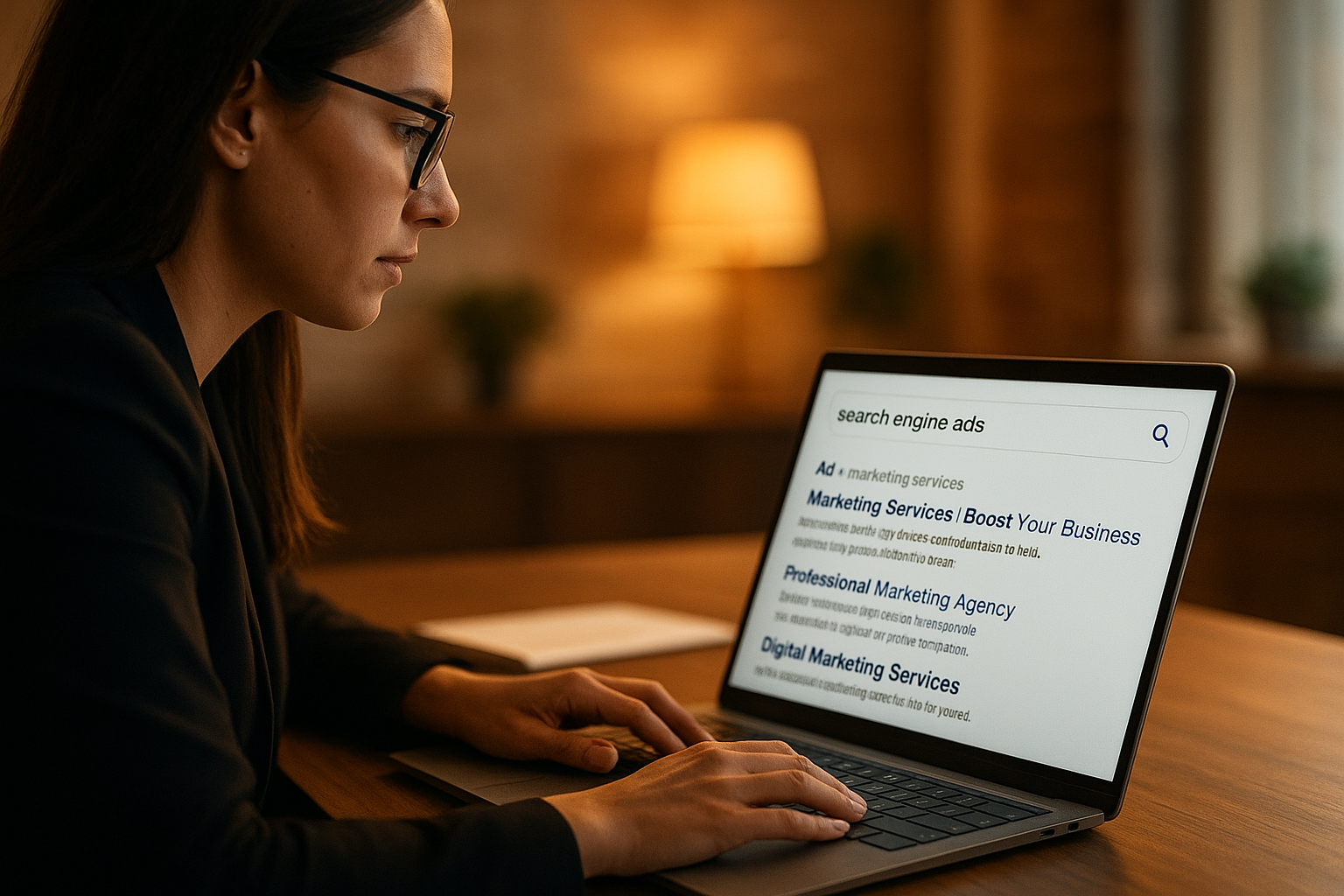
Reviewing hvac google ads examples side by side helps surface which claims are genuinely different from the rest of the market.
5 HVAC Google Ads Examples Built From Competitor Complaints
Below are five HVAC Google Ads examples, each modeled on a weakness theme that shows up repeatedly in low-star reviews across home-service categories. Each one stays inside Google's 30-character headline and 90-character description guidance, which is detailed in Google's own character limit documentation.
ad · www.example-hvac.com
Upfront Pricing, In Writing | No Door Surprises
We text your exact price before we start. No "final bill" surprises. Book today.
Weakness targeted: "quoted $150, billed $410" complaints.
ad · www.example-hvac.com
2-Hour Arrival Window | We Call If We're Late
No more waiting all day. Real-time tech tracking and a call if anything shifts.
Weakness targeted: missed arrival window, no-call complaints.
ad · www.example-hvac.com
Callbacks Answered Same Day | Real Humans
A live person picks up your follow-up call, same day, every time. Guaranteed.
Weakness targeted: "never called back" callback complaints.
ad · www.example-hvac.com
Clean Installs, Photo-Checked | Zero Drywall Dust
Protective covers, cleanup checklist, photo sign-off before we leave your home.
Weakness targeted: messy install, left-behind debris complaints.
ad · www.example-hvac.com
Warranty Claims Honored, No Runaround
We file the paperwork for you and follow up until it's resolved. No excuses.
Weakness targeted: warranty denial or runaround complaints.
How to Turn Reviews Into Winning HVAC Ad Copy
Building your own HVAC Google Ads examples follows a repeatable process. Above all, the order of the steps matters, since skipping the self-check in step three is the single most common way a promising campaign quietly fails.
- Pull every 1 to 3 star review from up to five competitors, reading the full history rather than the handful Google surfaces first.
- Group complaints into named weakness themes, such as surprise charges or missed arrival windows, and note how often each appears.
- Run your own reviews through the same filter before writing a single headline, so you never advertise a promise your own customers would dispute.
- Draft headline variations inside the character limits, keeping headlines to 30 characters and descriptions to 90 characters.
- Launch, monitor, and refresh monthly, since competitor weaknesses shift as new reviews post and ratings move.
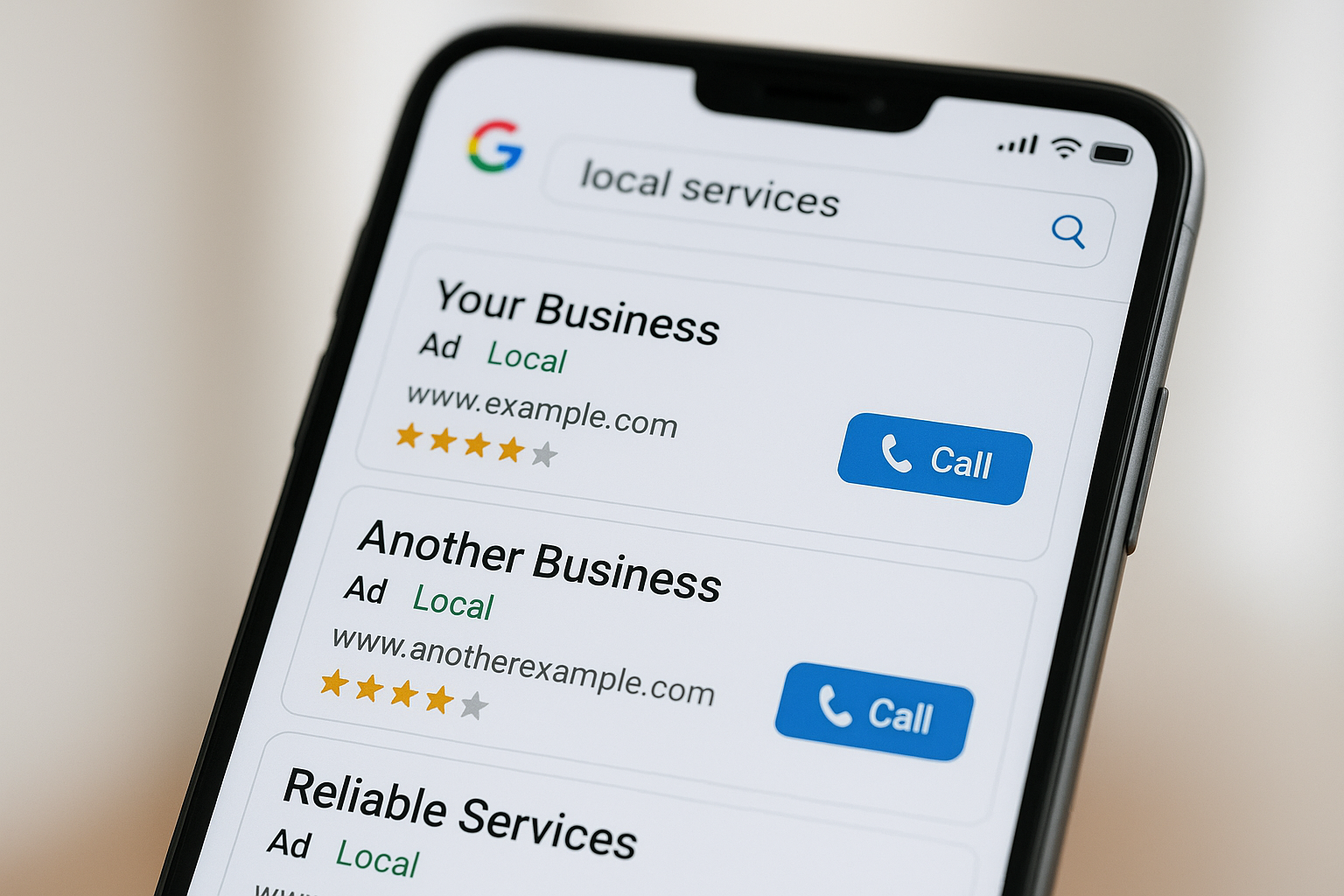
Most searchers compare several ads within seconds, which is why specific claims outperform generic ones.
Backfire Protection: The Step Most HVAC PPC Campaigns Skip
Most HVAC PPC campaigns skip one quiet but critical step: checking whether the company's own reviews contradict the ad's main claim. For example, an arrival-window ad is a strong pull when a competitor's reviews mention no-shows, but it becomes a liability if the advertiser's own reviews mention the same problem. Specifically, a searcher who clicks an "on-time, guaranteed" ad and then finds a one-star review about a missed appointment loses trust faster than if the ad had never run.
This is also an area with real legal texture. The FTC's guidance on featuring customer reviews makes clear that claims built around reviews need to be accurate and not misleading, which reinforces why a self-check should always come before a competitor-facing angle goes live. Furthermore, everything analyzed in this kind of process is public review data, not private or scraped information, so the method itself stays on solid ground.
Why Review-Based Ad Copy Outperforms Generic Templates
According to BrightLocal's recurring Local Consumer Review Survey, the large majority of consumers read online reviews before choosing a local service business, and a cluster of negative reviews on pricing or reliability can outweigh dozens of positive ones in a final decision. In other words, the same reviews that shape a homeowner's trust in a competitor can also shape which ad earns the click in the first place.
Similarly, a 1,500-review HVAC company with a 4.9-star average still carries roughly thirty to fifty one- and two-star reviews describing specific, repeatable failures. Those reviews rarely disappear from search results, and they are exactly what a careful shopper reads before calling anyone. Consequently, ad copy that speaks directly to those documented frustrations tends to earn a stronger click-through rate than copy built from a generic swipe file.
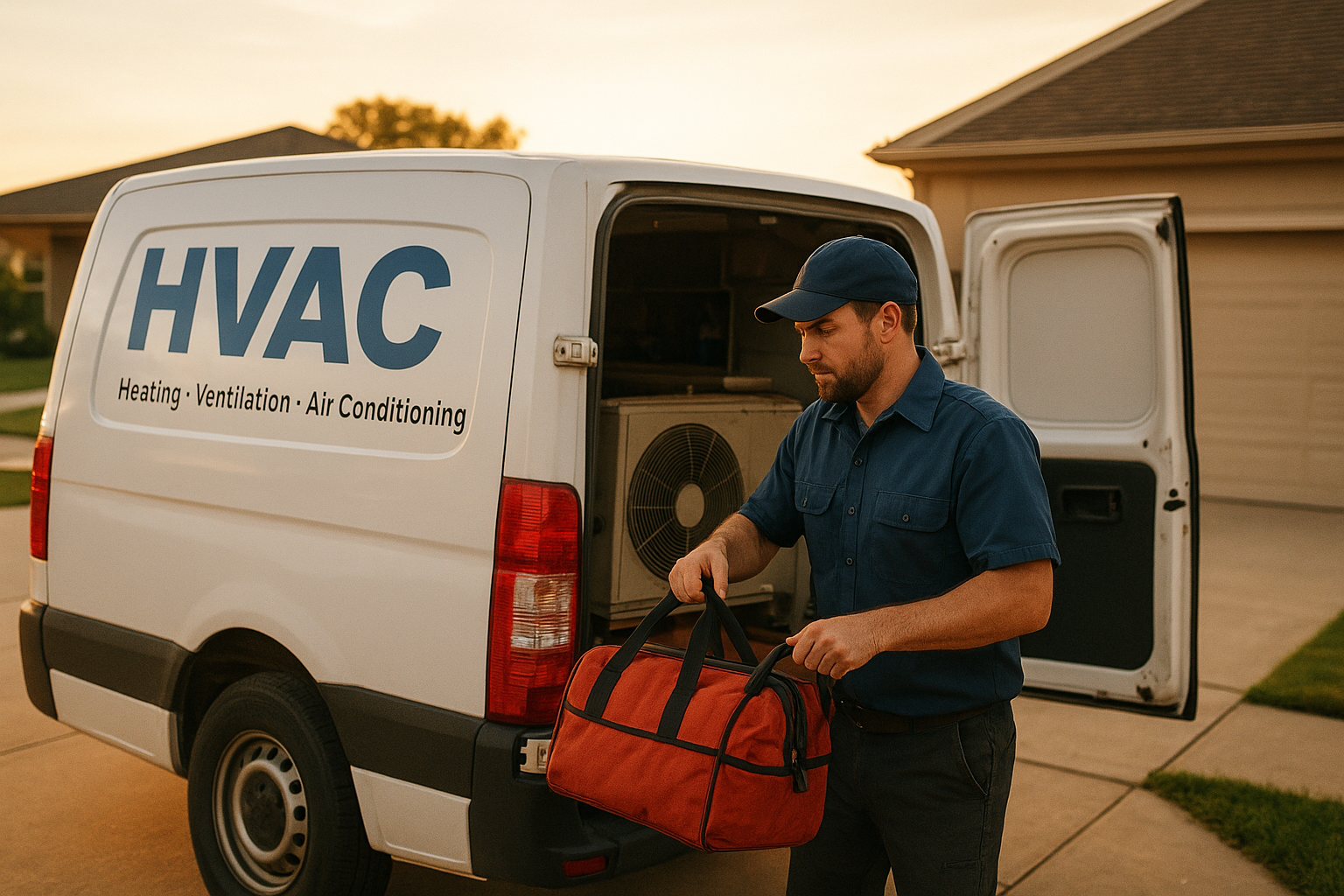
A reliable arrival is one of the most commonly contested promises across HVAC Google Ads examples and reviews alike.
Where WeakSpot Fits Into This Process
Writing HVAC Google Ads examples by hand means reading hundreds of reviews across several competitors, sorting complaints by hand, and then cross-checking your own review history before a single headline goes live. WeakSpot was built to do that work on a monthly cycle instead of a one-time project. The service reads every review for up to five competitors you choose, scores each weakness theme from one to ten for how exploitable it is, and backs every theme with verbatim quotes so the pattern is undeniable rather than a hunch.
Before any angle reaches you, your own reviews run through the identical analysis. If your own customers raise the same complaint, that angle gets flagged rather than shipped. Every engagement starts with a free self-analysis: submit a business name, a website or Google Maps link, and a business email at weakspot.io, and results arrive by email within two business days, with no call required. From there, Market Edge, the most popular plan at $299 a month, delivers a full campaign pack covering Google Ads variations, Meta ad copy, Google Business Profile posts, SEO content briefs, and email hooks, all validated against each platform's character limits. If you'd rather see the output before subscribing, browse how the campaign packs are structured before choosing a plan.
Frequently Asked Questions About HVAC Google Ads Examples
What are HVAC Google Ads examples?
HVAC Google Ads examples are sample headlines and descriptions that show how HVAC companies can structure search ad copy. The strongest examples are built around a specific, verifiable claim rather than a generic promise like "quality service you can trust."
How much does HVAC Google Ads advertising typically cost?
Cost per click for HVAC keywords commonly ranges from roughly $15 to $50 in competitive metro markets. Because clicks are expensive, ad copy that converts at a higher rate matters more in this category than in lower-cost industries.
Why do most HVAC Google Ads look the same?
Most HVAC companies sit between 4.8 and 5.0 stars on Google, so they reach for the same claims: fast, friendly, licensed, and insured. As a result, none of those claims separate one company from the next in a searcher's mind.
Can I legally reference a competitor's reviews in my ad copy?
You can reference the type of problem reviews describe without naming the competitor directly, which keeps the ad focused on your own promise. WeakSpot's campaign copy, for example, never names a competitor by name.
What character limits apply to Google Ads headlines?
Google Ads headlines are limited to 30 characters each, and descriptions are limited to 90 characters, per Google's own support documentation. Staying inside those limits avoids truncated, confusing ad previews.
How is HVAC PPC different from HVAC SEO?
HVAC PPC, or pay-per-click advertising, puts your ad in front of searchers immediately for a cost per click, while SEO builds organic ranking over months. Most growing HVAC companies run both for immediate volume and longer-term lead flow.
What is the biggest mistake HVAC companies make with Google Ads?
The most common mistake is running a claim that the company's own reviews contradict, such as promising on-time arrivals while customers complain about missed windows. That mismatch wastes ad spend because the click lands on a page the customer no longer believes.
How long does it take to see results from new HVAC Google Ads examples?
Most campaigns show an early signal within two to three weeks, once enough impressions and clicks accumulate to compare variations. Meaningful conversion data usually takes a full billing cycle, roughly 30 days, to confirm.
What is backfire protection?
Backfire protection means checking your own reviews for the same weakness before advertising against a competitor's version of it. If your own customers raise the same complaint, running that angle invites a comparison you would lose.
Should HVAC companies run Meta ads in addition to Google Ads?
Meta ads reach homeowners who are not actively searching yet, which complements Google Ads' demand-capture model. Many HVAC companies run both channels using the same validated weakness themes, adjusted for each platform's character limits.
How do I find my competitors' weakest review themes?
Start by reading every one to three star review for each competitor, not just the first page Google shows. Group the recurring complaints into named themes, such as pricing surprises or missed appointments, and note how often each one appears.
What's the difference between Weak Spot Intel and Market Edge?
Weak Spot Intel, at $149 a month, covers two competitors with a monthly intelligence report and watch list alerts but no campaign copy. Market Edge, at $299 a month, covers five competitors and adds a full campaign pack, self-analysis, and a monthly backfire check.
How often should HVAC Google Ads examples be refreshed?
Refresh ad copy at least monthly, since competitor review patterns shift as new reviews post and ratings move. A theme that was exploitable last month can close quickly once a competitor fixes the underlying problem.
Do I need an agency to run HVAC Google Ads campaigns?
No, finished ad copy can be dropped directly into your own Google Ads account by an in-house marketer or a hired agency. WeakSpot, for instance, hands over the copy itself and never manages ad spend or media buying.
Key Takeaways
In summary, the best HVAC Google Ads examples never start with a feature list. Instead, they start with a documented frustration a homeowner is already trying to avoid, paired with a claim your own reviews can actually back up. Therefore, before writing another round of generic headlines, it's worth reading what competitors' own customers already wrote in public, one to three star reviews at a time. Whether you build that process by hand or hand it to a service like WeakSpot, the underlying principle stays the same: specific, backfire-checked claims consistently outperform the polished but interchangeable copy most of the category is still running.
