A plumbing competitor analysis tool reads every Google review your rival plumbing companies have ever collected, isolates the complaints buried under their shiny star averages, and turns those complaints into ad copy you can run this week. In most local plumbing markets, every serious competitor looks the same on paper. Three or four companies sit between 4.8 and 5.0 stars, so shoppers can't tell who actually shows up on time, quotes an honest price, or fixes the job right the first time. That sameness is exactly why plumbing owners are turning to competitive intelligence software instead of guessing at ad angles.
In short:
A plumbing competitor analysis tool is software that reads a competitor's public Google reviews, clusters the negative ones into named weakness themes, and produces ready-to-use ad and content copy built on what real customers say they hate. WeakSpot is one example built specifically for local home-service businesses like plumbing companies.
A plumbing competitor analysis tool looks past the star average to the specific complaints underneath.
What Is a Plumbing Competitor Analysis Tool?
A plumbing competitor analysis tool is a piece of competitive intelligence software that scans the entire public review history of businesses you compete against and surfaces the patterns hiding inside the negative comments. Rather than a single star average, you see named themes such as "quoted one price, billed another" or "waited all day, nobody called." Each theme is drawn directly from customer language, so the pattern feels concrete instead of abstract.
In practice, this differs sharply from simply glancing at a competitor's Google Business Profile. As Google's own guidance on managing customer reviews notes, reviews accumulate over years and rarely get read in full by anyone shopping around. A dedicated tool changes that by reading everything, then sorting the useful signal from the noise.
Why This Matters More Than Reading Reviews Yourself
Reading a dozen recent reviews takes an evening. Reading fifteen hundred, then clustering the recurring complaints and scoring how exploitable each one is, is not a task most owners have time for. That is the gap a purpose-built tool closes, and it is why this category of software exists at all.
Why a 4.9-Star Average Doesn't Mean Perfect Service
A star rating is an average, and averages hide things by design. A plumbing company sitting at 4.9 stars with 1,500 total reviews can still carry thirty to fifty one- and two-star reviews that never surface in the summary score shoppers see on Google Maps. Those reviews are specific, dated, and written in the customer's own frustrated words.
Consequently, almost nobody reads them closely. According to BrightLocal's Local Consumer Review Survey, the overwhelming majority of consumers say online reviews influence their choice of local business, yet most people only skim the headline rating rather than the full history. That gap between how many people rely on reviews and how few actually read every one is precisely where a competitor analysis tool earns its value.
In addition, the nature of online reviews means the negative ones tend to be more detailed than the positive ones. A happy customer often writes "great job, five stars." An unhappy one usually explains exactly what went wrong, which is the raw material a plumbing competitor analysis tool needs to build a specific, believable campaign angle.
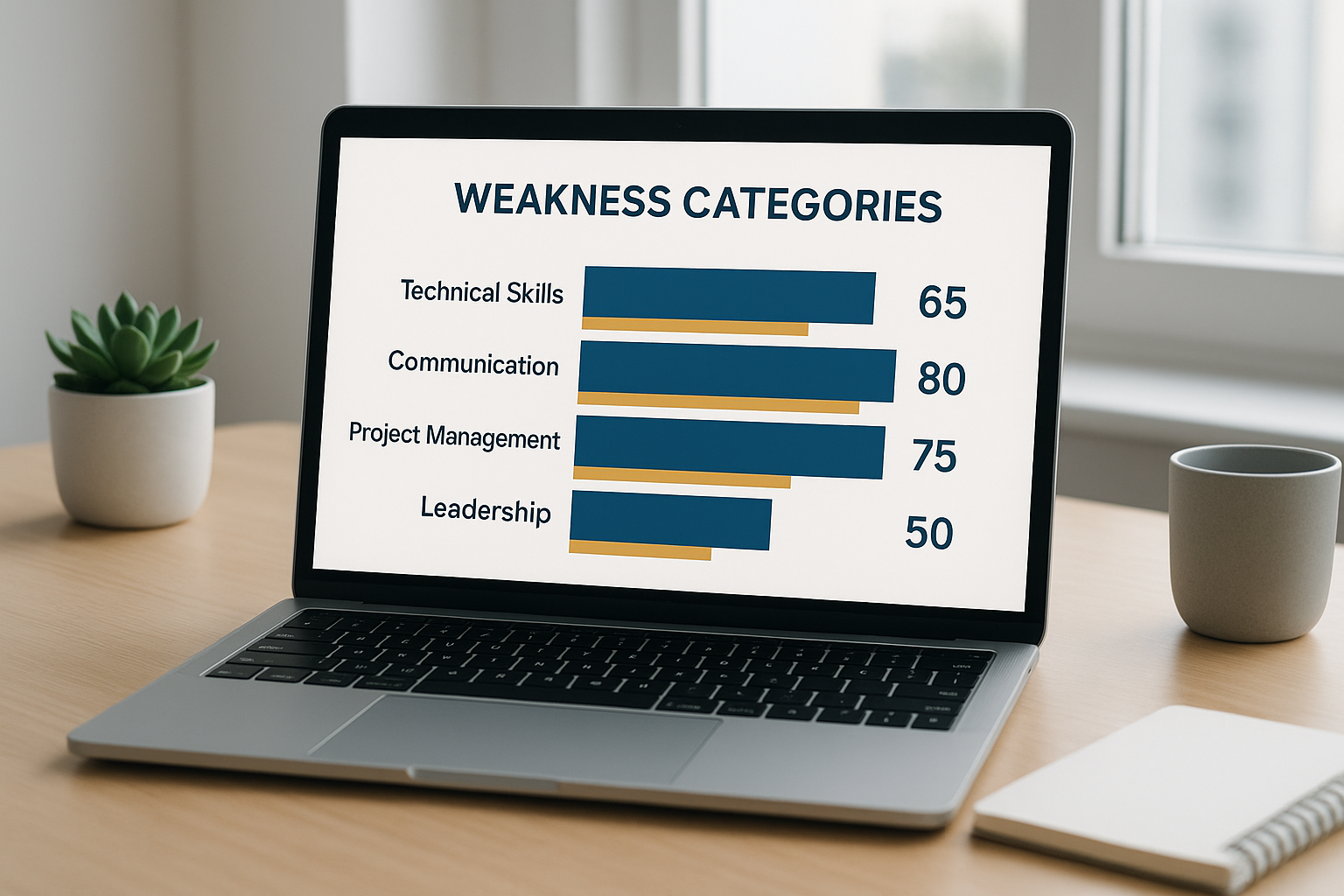
Weakness themes get scored from one to ten so the most exploitable patterns rise to the top.
How Plumbing Review Intelligence Software Works
Most plumbing competitor analysis tools follow a similar sequence, even though the depth of execution varies widely between providers. Understanding the steps helps you evaluate whether a tool is doing real analysis or just surface-level monitoring.
Step-by-Step: From Competitor Reviews to Campaign Copy
- Choose your competitors. Select up to five plumbing, HVAC, or roofing companies you compete against most often in local search and Google Maps results near your service area.
- Pull the full review history. Read every Google review each competitor has ever received, not only the most recent or highest-rated entries, going back as many years as the data allows.
- Isolate and cluster negative reviews. Separate one- and two-star reviews from the rest and group them into named weakness themes such as missed arrival windows, surprise pricing, or rushed installs.
- Score each weakness for exploitability. Rate every cluster from one to ten based on how often it appears and how strongly it repeats, backed by verbatim customer quotes as proof.
- Run your own reviews through the same filter. Check your own review history for the identical complaint before approving any campaign angle, flagging messages that would invite an unfavorable comparison.
- Receive finished campaign copy. Collect Google Ads headlines, Meta ad text, Google Business Profile posts, SEO briefs, and email hooks ready to paste into your own accounts.
Backfire Protection: Don't Run an Ad Your Own Reviews Contradict
Here is the step most competitor review analysis skips. Before any weakness reaches your campaign pack, your own reviews get run through the exact same clustering process. If your customers also complain about late arrivals, a "we show up when we say we will" campaign gets flagged immediately, because it invites a comparison you would lose.
This matters because the FTC's rule on deceptive review practices reflects a broader shift toward accountability around online reputation claims. A campaign that claims strength you don't actually have does not just risk wasted ad spend; it risks credibility. Backfire protection is the safeguard that keeps every message you run defensible.
What a Monthly Competitor Analysis Report Includes
Most tools stop at a dashboard telling you there is a problem. A useful plumbing competitor analysis tool should end with the headline you actually run on Monday morning. Specifically, expect three components each month:
- The intelligence report — a branded scorecard for each competitor, their top weakness themes with verbatim evidence, where you win head-to-head, and where you should not pick the fight.
- The campaign pack — finished copy for each exploitable weakness, including Google Ads variations validated against the 30 and 90 character limits, Meta ads within the 40, 125, and 25 character limits, Google Business Profile posts, SEO content briefs, and email hooks.
- The watch list — alerts for complaint surges, rating drops, and new weakness themes at the competitors you're tracking, so nothing new slips past you between reports.
Every finished campaign pack arrives ready to drop into your own ad accounts.
Choosing a Plumbing Competitive Analysis Tool: What to Look For
Not every review-monitoring product qualifies as genuine competitive intelligence software. Before subscribing, confirm the tool reads full review histories rather than just recent activity, scores weaknesses by exploitability instead of listing raw complaints, and includes a backfire check against your own reviews. Otherwise, you risk building a campaign on a claim your own customers would contradict.
You should also confirm the copy stays inside platform character limits. Google Ads headlines are capped at 30 characters, descriptions at 90, and Meta ads follow tighter limits of 40, 125, and 25 characters for their respective fields. A tool that hands you copy exceeding those limits creates rework instead of saving time.
How WeakSpot Applies This to Plumbing Companies
WeakSpot is a competitive intelligence service built specifically for local home-service businesses, starting in the Dallas-Fort Worth market. It monitors up to five competitors you choose, reads their entire Google review history, and clusters the one- and two-star reviews into named weakness themes such as missed arrival windows, pushy upsells, or warranty runarounds. Every theme is scored from one to ten and backed by verbatim quotes, so the pattern is undeniable rather than a vague impression.
Two plans are available. Weak Spot Intel runs $149 per month for two competitors, a monthly intelligence report, and watch list alerts. Market Edge, the most popular option at $299 per month, covers five competitors, the full campaign pack, and a monthly self-analysis with backfire check. On both Market Edge and the higher Market Takeover tier, if the first report doesn't surface at least three exploitable weaknesses across your competitors, that month is free.
Every engagement starts the same way: submit your business name, website or Google Maps link, and business email at weakspot.io, and receive a free self-analysis of your own reviews within two business days, with no call required. You can also explore a live walkthrough at app.weakspot.io/demo before choosing a plan. As the WeakSpot team puts it, your competitors' bad reviews are your best marketing, and almost nobody is using them yet.
Frequently Asked Questions About Plumbing Competitor Analysis Tools
What is a plumbing competitor analysis tool?
A plumbing competitor analysis tool is software that reads every public Google review a rival plumbing company has received and groups the negative ones into named weakness themes. Instead of a star average, you get specific patterns like missed arrival windows or surprise pricing, backed by verbatim quotes.
How does it find weaknesses inside competitor reviews?
It pulls a competitor's entire review history, not just the highlights, then isolates one- and two-star reviews and clusters similar complaints together. Ten reviews mentioning late technicians become one scored weakness theme rather than ten separate data points.
Why do most plumbing companies have nearly identical star ratings?
Star ratings are averages, and averages smooth out the details. A company with 1,500 reviews and a 4.9 average can still carry thirty to fifty one- and two-star reviews that never show up in the summary score anyone sees on Google Maps.
How much does a plumbing competitive intelligence service cost?
WeakSpot's Weak Spot Intel plan starts at $149 per month for two competitors and a monthly report. The Market Edge plan, at $299 per month, adds five competitors, a full campaign pack, and monthly backfire checks.
How long until I get results?
A free self-analysis of your own reviews typically arrives by email within two business days, with no call required. Full competitor reports and campaign packs then refresh monthly after you choose a plan.
What is backfire protection?
Backfire protection means your own reviews get analyzed with the same method used on competitors before any campaign angle is approved. If your customers also complain about late arrivals, a message built on punctuality gets flagged so you never run an ad that invites a losing comparison.
Can the campaigns name competitors directly?
No, responsible tools keep competitor names out of the finished copy entirely. The campaign focuses on the customer frustration itself, such as surprise charges or rushed installs, rather than pointing at a specific business by name.
What's the difference between review monitoring and true competitor analysis?
A monitoring tool typically just alerts you when a new review appears. A true plumbing competitor analysis tool goes further by scoring weakness themes for exploitability and delivering finished ad copy, not just notifications.
How many competitors can I track at once?
WeakSpot monitors up to five competitors that you choose, which is usually enough to cover the businesses you actually compete against on Google Maps and paid search in your service area.
What mistakes should I avoid when using competitor reviews for marketing?
The most common mistake is building a campaign around a weakness your own business also has, which invites an easy rebuttal. Another frequent error is reading only a handful of recent reviews instead of the full history, which misses patterns that only appear across hundreds of entries.
Is using competitors' public reviews in marketing ethical?
Yes, because the reviews analyzed are public data that anyone can already read on Google Maps. The approach stays ethical as long as the resulting copy addresses a real customer frustration without naming or misrepresenting the competitor.
How is this different from reading reviews myself?
Reading manually works for a handful of reviews, but most established competitors have hundreds or thousands. A dedicated tool reads the full history, clusters recurring complaints automatically, and scores them, which would take an owner many unpaid hours to do by hand.
Does this only work for plumbers?
The same method applies to roofers, HVAC companies, and other residential service providers, since they face the same problem of near-identical star ratings. WeakSpot was built for local home-service businesses broadly, starting in the Dallas-Fort Worth market.
Final Thoughts on Plumbing Competitor Analysis
In a market where every serious plumbing competitor sits at 4.8 or 4.9 stars, the real differences live in the reviews nobody bothers to read. A plumbing competitor analysis tool changes that by reading everything, clustering the recurring complaints, scoring how exploitable each one is, and checking your own reviews before any of it becomes a campaign. That last step, backfire protection, is what separates a tool you can trust from one that hands you a claim your customers would contradict.
Ultimately, the goal isn't just information; it's finished copy you can run this week. If you're ready to see what a plumbing competitor analysis tool would find in your own market, start with a free self-analysis at www.weakspot.io, or visit weakspot.io to compare plans and see exactly what a monthly intelligence report and campaign pack look like before you commit.
