Use Competitor Reviews in Ads: Turn Complaints Into Clients
You can use competitor reviews in ads to win customers your rivals have already disappointed, and in the crowded local home-service market, that single tactic often beats another round of bidding wars on broad keywords. Every serious plumber, roofer, or HVAC company in a given city tends to sit between 4.8 and 5.0 stars, which makes them look identical on the surface. However, a star average hides a lot, and the one- to three-star reviews underneath it are often the most honest marketing research available to you.
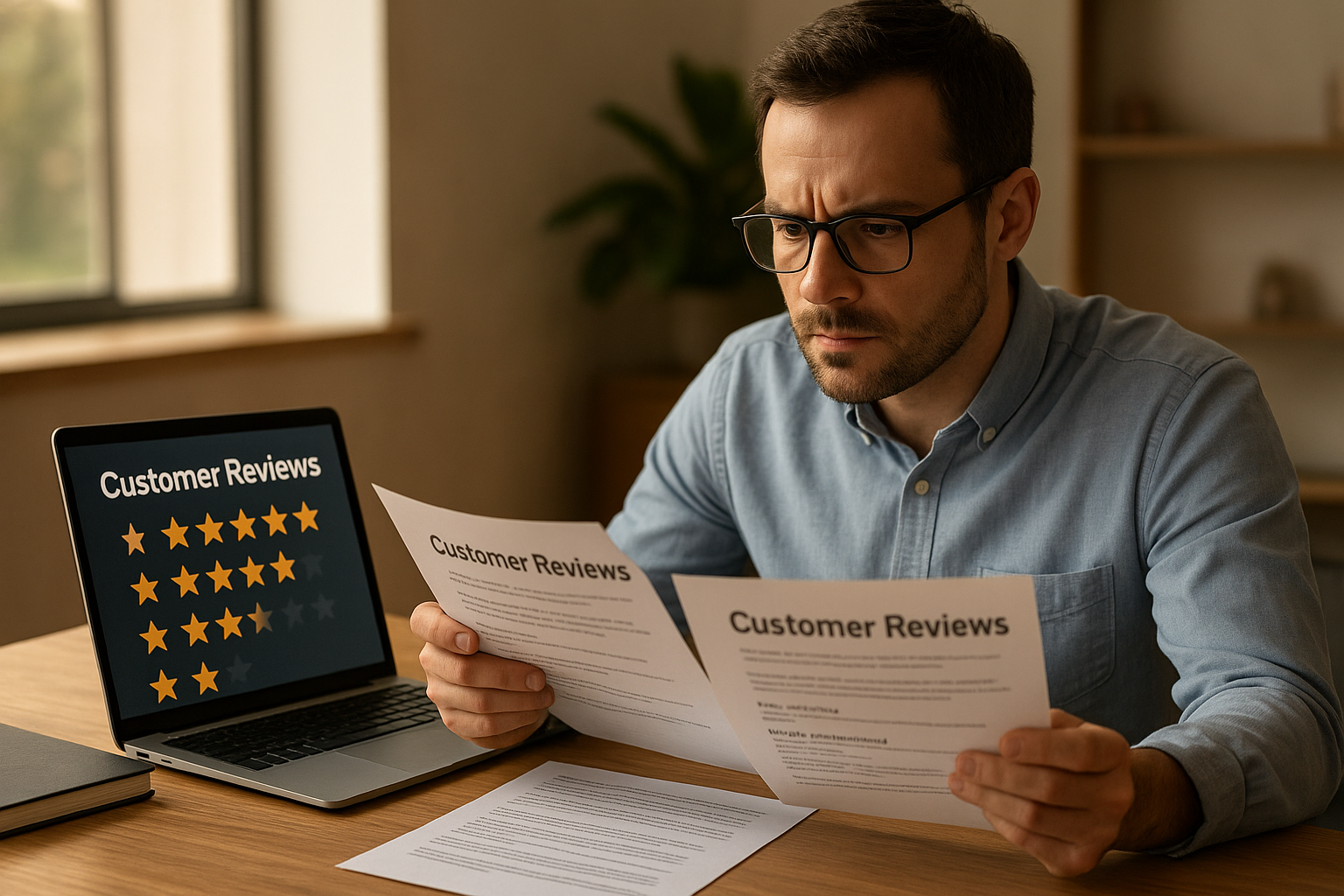
Reading the one- and two-star reviews under a competitor's 4.9 average is the first step to using competitor reviews in ads.
What Does It Mean to Use Competitor Reviews in Ads?
Use competitor reviews in ads is the practice of mining a rival's public customer feedback for specific, recurring complaints, then building ad copy around the exact frustration those complaints describe, without naming the competitor directly. It works because a complaint like "they cancelled the morning of the appointment and never rescheduled" is far more persuasive than a generic claim about good service.
In practice, this means reading beyond the star average. For instance, a plumbing company with 1,500 reviews and a 4.9-star rating still likely has somewhere between thirty and fifty detailed, one- to three-star reviews describing exactly where things went wrong. Those reviews are not noise. They are a roadmap of the objections your next customer is already worried about, written in their own words.
Why Unhappy Reviews Hide Under a 4.9-Star Average
Star ratings are averages, and averages flatten detail. A business can post a near-perfect score while still accumulating dozens of specific, repeatable failures: missed arrival windows, pushy upsells, warranty runarounds, or jobs left unfinished. Because the overall number looks great, most owners never bother scrolling past the first page of five-star praise.
As a result, almost nobody reads the full review history of a competitor. That gap is the opportunity. When you cluster the negative reviews into named themes, such as "surprise charges" or "no-call no-show," a pattern usually emerges quickly. Specifically, if fifteen different customers independently describe the same frustration, that is not an isolated bad day; it is an operational weakness you can speak directly to in your marketing.
How to Use Competitor Reviews in Ads Without Naming Names
Although it is legal to reference publicly available review content, the strongest campaigns never mention a competitor by name. Instead, they describe the pain point in a way that any reader recognizes immediately. Below is the process in order.
- Pull the full review history. Collect every review a competitor has received, not just the newest batch, since older complaints often reveal the most persistent operational problems.
- Isolate the one- to three-star reviews. Filter out the five-star praise and focus on the smaller group of lower-rated reviews that name specific frustrations.
- Cluster complaints into named themes. Group similar issues, such as late arrivals or messy installs, into clearly labeled categories so the pattern is undeniable.
- Score each theme for exploitability. Rate how often a theme repeats and how much it would influence a buying decision, then prioritize accordingly.
- Check your own reviews for the same theme. Before writing a single headline, confirm your business does not share the weakness you are about to call out.
- Write platform-compliant copy. Translate the surviving themes into headlines and descriptions that fit Google Ads and Meta character limits.
The Backfire Risk Nobody Talks About
Here is the step most competitive intelligence tools skip entirely. Before any weakness becomes an ad headline, it needs to be checked against your own review history. Otherwise, you risk publishing a claim your own customers would directly contradict.
For example, imagine running a "we always show up on time" campaign while your own Google reviews contain several complaints about late arrivals. That mismatch is easy for a prospective customer to discover with a five-minute search, and it can damage trust faster than the original ad built it. Consequently, the smartest approach to competitor review marketing always starts with a mirror, not a magnifying glass. WeakSpot calls this step backfire protection, and it is the reason every weakness theme gets validated against your own feedback before it reaches a campaign pack.
 Contrasting a competitor's documented failure with your own reliable process is the core of using competitor reviews in ads effectively.
Real Examples: Turning Complaints Into Headlines
Consider a roofing company whose reviews repeatedly mention a quoted price that changed once the invoice arrived. A direct response ad does not need to name the company at all. Instead, it might read: "No surprise charges. The price we quote is the price you pay." That single line speaks directly to a frustration the reader has likely already experienced somewhere else.
Similarly, if an HVAC competitor's reviews repeatedly describe missed appointment windows, a Google Business Profile post promising a two-hour arrival window with a text alert addresses the exact anxiety a searcher is trying to resolve. In both cases, the copy works because it is specific, not because it insults anyone by name.
Which Platforms Work Best for This Strategy?
Google Ads tends to perform well because it reaches people who are actively searching and already comparing providers, often while still deciding who to call. Meanwhile, Meta ads work well for retargeting people who visited a competitor's page but have not booked yet, since the ad copy can gently reframe their hesitation.
Google Business Profile posts, meanwhile, are often overlooked despite sitting directly next to a competitor's listing in local search results. Posting a short, specific promise there, such as a guaranteed arrival window, places your differentiation exactly where a comparison-minded customer is already looking.
Common Mistakes When Using Competitor Review Insights
The most frequent mistake is skipping the backfire check described earlier. A close second is naming a specific competitor directly, which can create legal exposure and often feels petty to the reader rather than persuasive. In contrast, describing the pain point without attribution keeps the message focused on the customer's problem rather than on a rivalry.
Another common error is relying on only the most recent reviews. A competitor may have fixed a problem months ago, so campaigns built on outdated complaints can misfire. Therefore, refreshing the analysis monthly, rather than treating it as a one-time project, keeps the messaging accurate as a competitor's operations change. According to FTC advertising guidance, marketing claims should always remain truthful and substantiated, which is exactly why verbatim review evidence matters more than paraphrased impressions.
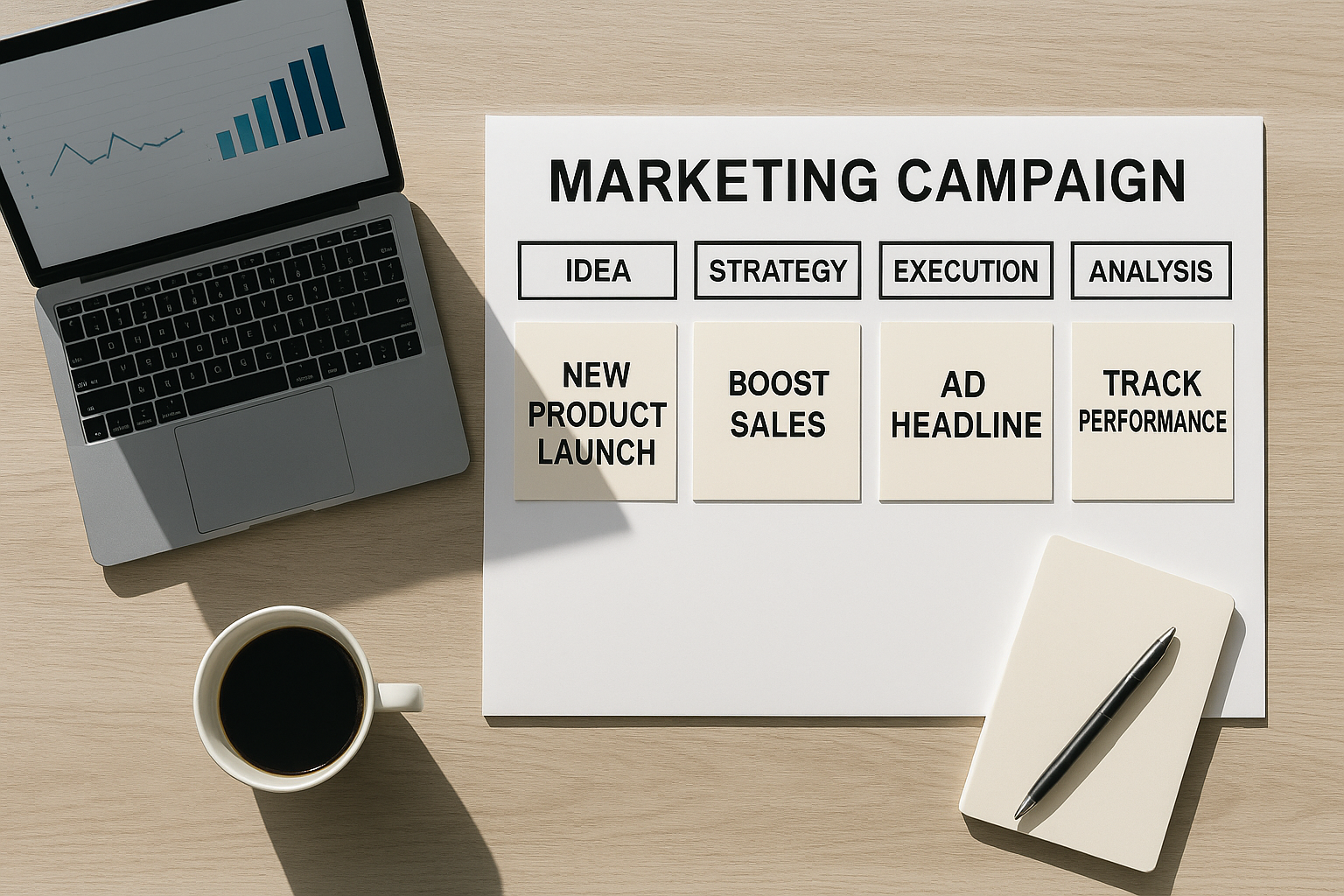 Finished ad copy, not just a weakness list, is the end goal of competitor review marketing.
Where Automated Tools Fit Into This Process
Reading hundreds of reviews by hand for every competitor is realistic for a one-time project but difficult to sustain monthly. This is where a dedicated competitive intelligence service becomes useful. A service such as WeakSpot reads a competitor's entire review history, clusters complaints into named weakness themes, scores each one from 1 to 10 for exploitability, and backs every theme with verbatim quotes so the pattern is undeniable rather than anecdotal.
Importantly, the same analysis runs on your own reviews first. If your business shares a competitor's weakness, that angle gets flagged before it ever reaches a campaign, which prevents the exact backfire risk described earlier. The output is not a dashboard that tells you a problem exists; it is finished copy, including comparative advertising-style headlines validated against Google Ads and Meta character limits, ready to drop into your own accounts. You can start with a free self-analysis of your own reviews at weakspot.io, with results emailed back within two business days and no call required.
Frequently Asked Questions
What does it mean to use competitor reviews in ads?
It means mining a rival's public Google reviews for specific, recurring complaints, then building ad copy around that exact frustration, without naming the competitor directly.
How do you find competitor review weaknesses?
Read every one- to three-star review a competitor has received, then group the complaints into repeated themes such as missed arrival windows or surprise charges.
Is it legal to use competitor reviews in your advertising?
Yes, since the reviews are public information and the focus stays on a customer pain point rather than a false claim about a specific business. Most effective campaigns never name the competitor at all.
Do you have to name the competitor in the ad?
No, and most successful campaigns do not. Describing the frustration, such as "no surprise charges at the door," works without ever mentioning who the customer is leaving.
What is backfire protection and why does it matter?
Backfire protection is analyzing your own reviews before running any competitor-based ad angle, so you never publish a claim your own customers would contradict.
Which platforms work best for competitor review based ads?
Google Ads and Google Business Profile posts work well because they reach people actively searching, while Meta ads work well for retargeting people who already compared providers.
Final Takeaway
In the end, learning to use competitor reviews in ads is less about clever copywriting tricks and more about paying attention to what everyone else ignores. A 4.9-star average will always look impressive on the surface, but the one- to three-star reviews underneath describe, in the customer's own words, exactly where that business falls short. By reading those reviews carefully, clustering the complaints into themes, checking your own reviews for the same weaknesses, and writing specific, non-defamatory copy, you can turn a crowded, identical-looking local market into one where your message is the only one that actually addresses the customer's real concern. For a faster starting point, weakspot.io offers a free self-analysis of your own reviews, delivered within two business days with no call required.
