
Google review weakness analysis for home services is the practice of reading competitors' low-star reviews, grouping the complaints into themes, and turning them into marketing copy. Every plumber, roofer and HVAC company in your market may sit at 4.8 stars or higher. The differences hide in the 1 to 3 star reviews.
Quick answer: Read every 1 to 3 star review your competitors have, name the repeat complaints, score them, and check your own reviews before you use any angle. The result is copy built on what customers actually said.
What Is Google Review Weakness Analysis for Home Services?
It is a method, not a dashboard. You study complaints in customers' own words. Then you find the patterns that repeat.
A star rating is an average. As a result, it hides detail. A competitor with a 4.9 and 1,500 reviews can still have thirty to fifty unhappy customers who explained why they left.

An owner reads competitor complaints to find patterns worth acting on.
Why Low-Star Reviews Reveal More Than Averages
Unhappy customers are specific. They write things like "Quoted one price. Billed another." or "Waited all day. Nobody called." Those lines describe the exact frustration the next customer wants to avoid.
These reviews are public. However, almost nobody reads them closely. That gap is the opportunity.
Common Weakness Themes in Plumbing, Roofing and HVAC
Complaints tend to cluster. Here are themes that show up often in home-service markets:
- Surprise charges after the work is done
- Missed arrival windows
- Callbacks that never come
- Rushed jobs and messy installs
- Pushy upsells
- Warranty runarounds
For example, a fictional roofing company, call it Example Roofing Co., might show six reviews about crews leaving nails in the yard. That is a cleanup theme. A message about a clean job site would speak to it directly. This example is illustrative only.
Roofers can see how this looks on the roofing page. Broader context sits on the home services page.
How to Analyze Competitor Reviews Step by Step
- Pick the two to five local competitors you meet most often.
- Collect their 1, 2 and 3 star reviews from the full history.
- Group similar complaints into named themes and keep verbatim quotes.
- Score each theme from 1 to 10 for how exploitable it is.
- Run your own reviews through the same process before choosing an angle.
Doing this by hand takes hours. Even so, it is worth trying once on a single competitor. You will see patterns quickly.
Backfire Protection: Check Your Own Reviews First
This step prevents the costliest mistake. Suppose your customers also complain about late arrivals. Then a "we show up when we say we will" message invites a comparison you would lose.
WeakSpot calls this backfire protection. It flags angles that your own reviews contradict. Therefore every message you run is one you can win on.
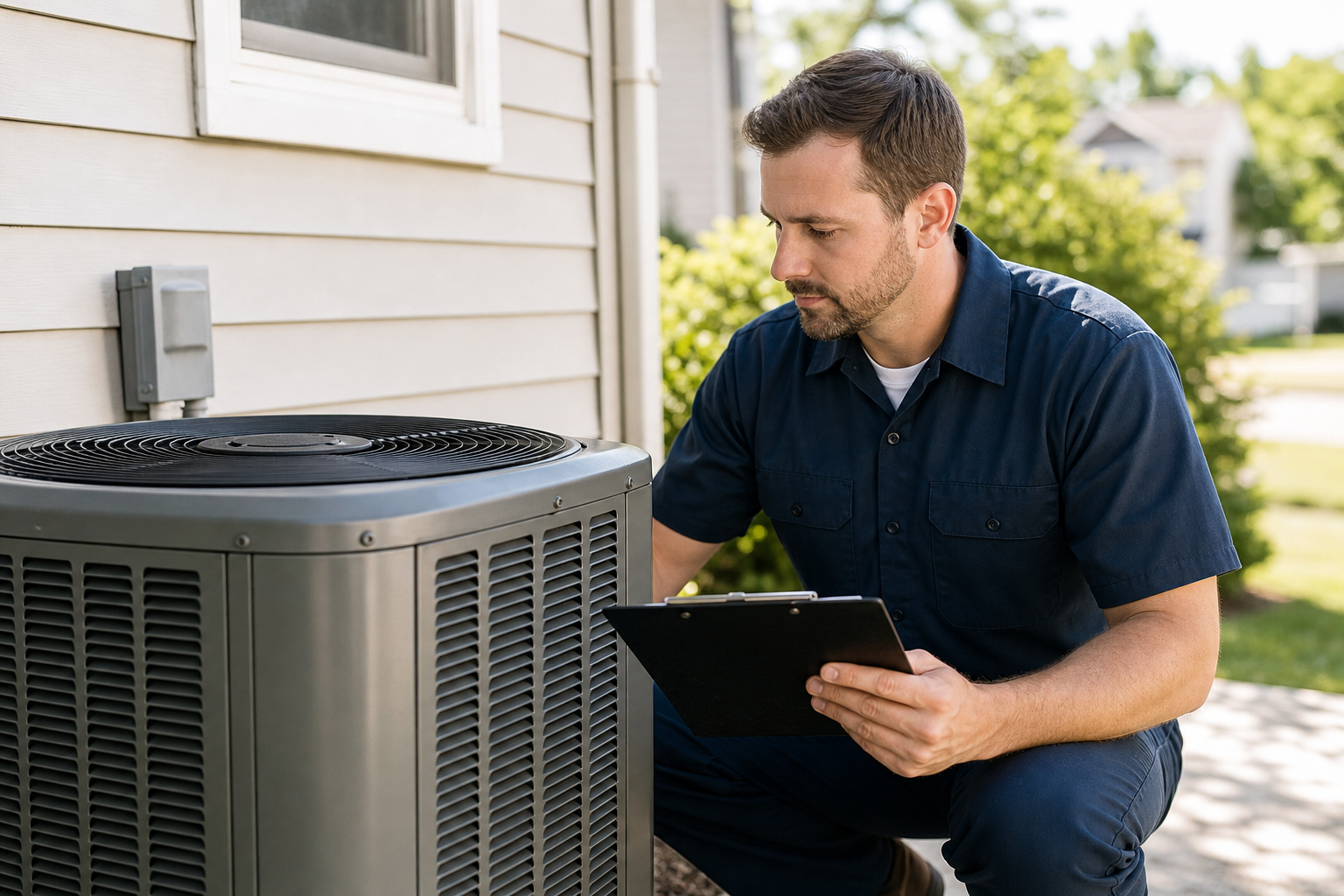
Claims work best when your own customers would agree with them.
Turning Weakness Themes Into Campaign Copy
Insight is not the finish line. You need copy that fits each platform. Google Ads headlines have 30 and 90 character limits in WeakSpot's validation. Meta ad copy stays within 40, 125 and 25 characters.
Good copy never names a competitor. It speaks to the frustration instead. For more on this, see this guide to home service marketing content and this look at competitive analysis with reviews. Check local rules on comparative advertising before you publish.
Where WeakSpot Fits
WeakSpot is a competitive intelligence service for local home-service businesses, starting in Dallas-Fort Worth, Texas. It reads the full Google review history of up to five competitors you choose and clusters the complaints into weakness themes. Each theme is scored and backed by verbatim quotes.
Each month you receive an intelligence report, a campaign pack and a watch list. WeakSpot does not run ads. We do the thinking; you keep the keys. Every engagement starts with a free self-analysis of your own reviews, emailed within two business days with no call. You can also see the full service overview.
For background on how online reviews work, see Wikipedia's overview of online reviews. To manage your own listing, visit Google Business Profile.
Frequently Asked Questions
What is google review weakness analysis for home services?
It is the practice of reading a competitor's low-star Google reviews, grouping complaints into themes, and using those themes to write marketing copy. It turns public customer frustration into specific messages.
Why focus on 1 to 3 star reviews?
Unhappy customers describe exactly what went wrong. Those details show what the next customer in the market wants to avoid.
How many reviews do I need to read?
Read the full history, not only the newest or most helpful reviews. Patterns often show up across years, and a partial read can miss them.
What is a weakness theme?
A weakness theme is a named group of similar complaints, such as surprise charges or missed arrival windows. Each theme should be backed by verbatim quotes.
What is backfire protection?
Backfire protection means running your own reviews through the same analysis before using an angle. If your customers share the complaint, the angle is flagged so you do not invite a comparison you would lose.
Can I do this analysis by hand?
Yes, with a spreadsheet and patience. The hard part is reading hundreds of reviews consistently and checking your own reviews with the same rules.
Do I need to name competitors in my ads?
No. Good copy speaks to the customer's frustration without naming anyone. Check local advertising rules if you are unsure.
Is it legal to use public reviews for research?
Reading public reviews for research is common. Quoting or comparing in ads is different, so keep copy general and check local rules.
Does WeakSpot run my ads?
No. WeakSpot delivers finished copy, and you or your agency run the campaigns in your own accounts.
What does the free self-analysis include?
WeakSpot analyzes your own Google reviews and emails the results within two business days. No call is required.
How many competitors should I track?
Start with the two to five that you meet most often in your market. WeakSpot plans cover two or five competitors.
What is the most common mistake?
Claiming a strength your own reviews contradict. A promise like on-time arrival fails if your customers also complain about late techs.
Conclusion
Google review weakness analysis for home services comes down to a simple habit: read what unhappy customers wrote, name the patterns, and test them against your own reviews. Then write copy you can stand behind. Your competitors' bad reviews are your best marketing, and nobody's using them. Request your free self-analysis to see where your own reviews stand first.